
Search for Packages
4 Days

Wild Honey Hunting

Price per person $900
Altitude 2700
Difficulty Medium
Group size 1-10
Climb Style Normal

Overview

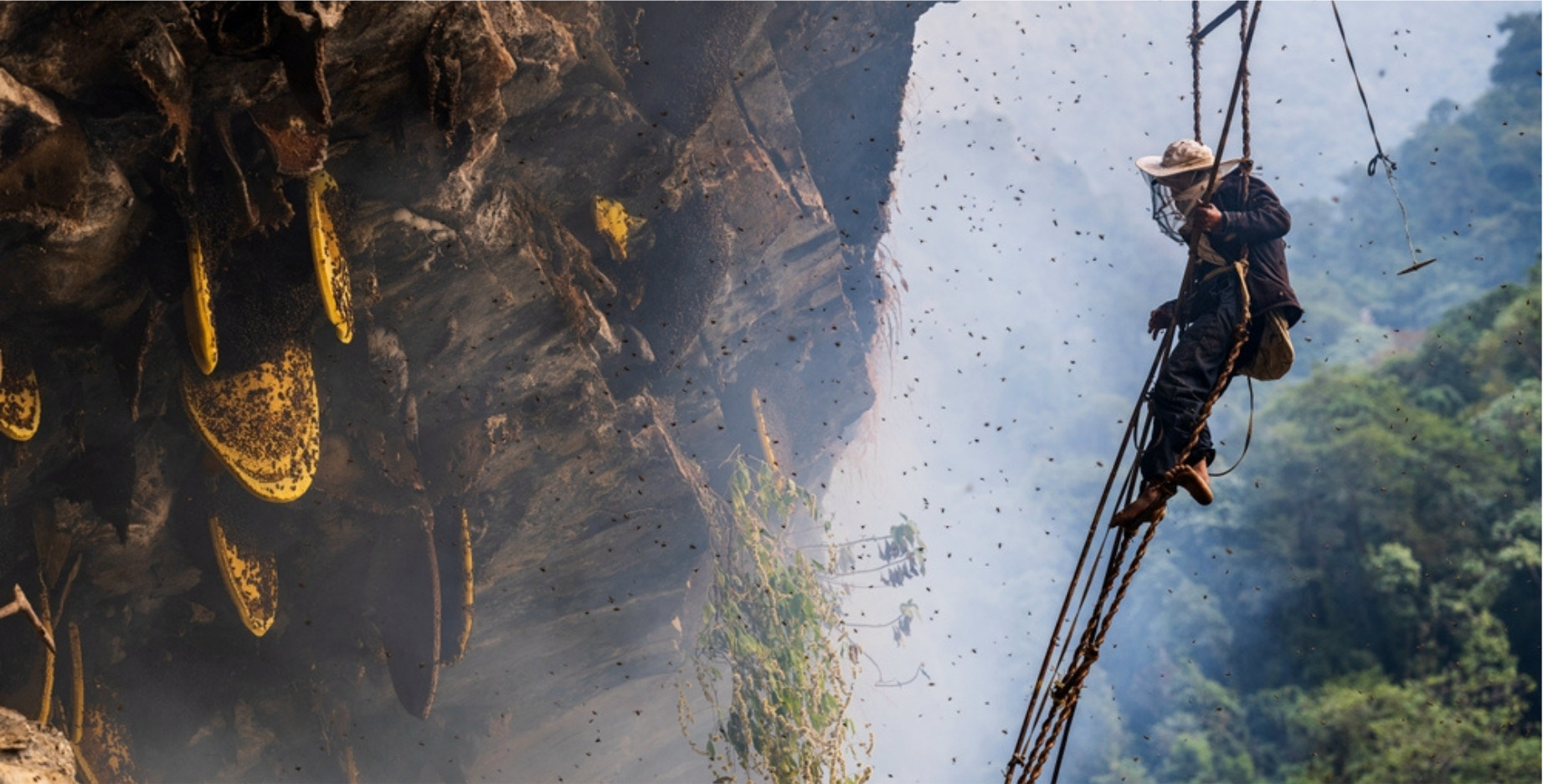
      Experience one of Nepal's most ancient and thrilling traditions with our Traditional Honey Hunting Expedition. Journey from Kathmandu to the remote villages of Ghanpokhara, where you'll witness the incredible skill of traditional honey hunters who brave towering cliffs to harvest wild honey from giant Himalayan bees.


This carefully crafted 4-day adventure combines cultural immersion, traditional practices, and breathtaking mountain scenery. Stay in authentic homestays, learn about local customs, and participate in this UNESCO-recognized intangible cultural heritage practice that has been passed down through generations.


The expedition offers travelers a rare glimpse into one of the world's most dangerous and fascinating traditional practices, while supporting local communities who have perfected this art over centuries.


Trip Highlights:


Scenic Drive to Besisahar: Journey through diverse landscapes from Kathmandu to the gateway of Annapurna region

Authentic Homestay Experience: Stay with local families in Ghanpokhara village and experience traditional Gurung hospitality

Traditional Honey Hunting Witness: Observe master honey hunters scale dangerous cliffs to harvest wild honey from giant Himalayan bees

Cultural Immersion: Learn about ancient techniques, traditional tools, and the cultural significance of honey hunting

Local Cuisine: Enjoy authentic mountain meals and taste fresh wild honey harvested using traditional methods

Community Support: Contribute directly to local communities preserving this ancient tradition


This unique expedition combines adventure, culture, tradition, and natural beauty, offering travelers an unparalleled connection to Nepal's living heritage


Itinerary

Day Day 01

·         Day 1: Kathmandu to Ghanpokhara (760m)

·         Departure from Kathmandu via private vehicle

·         Drive through scenic countryside and terraced hills

·         Stop at Dumre for lunch and local sightseeing

·         Continue drive to Ghanpokhara village through

mountain roads

·         Welcome ceremony by local Gurung community

·         Evening briefing about honey hunting traditions

Overnight: Traditional Homestay

Day Day 02

Day 2:  Early Morning: Traditional breakfast with local families

  Early Morning: Meet with master honey hunters and learn about traditional techniques

  Visit bee cliff sites and understand the hunting process

  Trek to primary honey hunting cliffs with local hunters

•  Witness traditional honey hunting techniques

·         Observe cliff scaling using handmade rope ladders

·         See smoke techniques to calm giant Himalayan bees

·         Watch honey collection from dangerous heights

·         Learn about bee behavior and seasonal patterns 

·         Afternoon: Processing and tasting of fresh wild honey

·         Evening: Traditional dinner with honey-based local dishes 

·         Overnight: Local Homestay


Day Day 03

Day 3:  Advanced Honey Hunting & Cultural Experience

Early Morning Second honey hunting expedition to different cliff

Locations


·         Participate in preparation of traditional hunting tools

·         Witness more complex honey harvesting techniques

·         See smoke techniques to calm giant Himalayan bees

·         Learn about honey grading and traditional preservation

methods

·         Witness more complex honey harvesting techniques


·         Afternoon: Celebration feast with community participation

·         Cultural program with traditional Gurung music and dance


·         Evening: Celebration feast with honey-based local dishes


·         Overnight: Local Homestay

Day Day 04

Day 4 : The final day of our journey concludes. Drive back to Kathmandu 

Cost Inclusion & Exclusion

ü  Ground Transfers:

§     All ground transportation by private vehicle.

ü  Accommodations:

§   Beshisahar at Hotel

§  Authentic village Homestay at Ghanapokhara


ü  Meals:

§  All meals on AP plan.

§  Traditional honey-based dishes

§  Fresh wild honey tasting


ü   Fees:

§  All village entry fees and community charges.

§  All government taxes, VAT, Tourist Service charges and official expenses.

§  Cultural program participation


ü  Supporting Staffs and Guide

§  Professional Tour Guide

§  Local honey hunting expert guide


û  All personal expenses like alcoholic beverages, bottled drinks, telephone calls, laundry services etc.

û  Insurance: Travel/Accident/Medical /emergency evacuation

û  International airfare and taxes

û  Nepal Visa fees

û  All extra services if required (except motioned in 'The Price Include' section)


Travel Notes

1. Seasonal Timing

  • Honey hunting is done only during April–May and October–November, depending on the Gurung communities.

  • Dates are set according to local tradition and the blooming cycle.

2. Physical Fitness

  • Expect steep village trails, forest walks, and narrow cliff paths.

  • Basic trekking fitness is required; no technical climbing skills necessary.

3. Cultural Respect

  • Honey hunting is a sacred tradition of the Gurung people.

  • Visitors must follow local customs, instructions, and rituals performed before the hunt.

4. Safety Precautions

  • The honey cliffs can be high and exposed; maintain distance and follow the guides.

  • Avoid sudden movements or loud noises during the honey extraction.

5. Clothing & Gear

  • Light trekking shoes with grip

  • Windproof jacket

  • Hat, sunglasses, sunscreen

  • Camera with zoom lens (maintain safe distance)

  • Small daypack

  • Gloves (optional for rough trails)

6. Accommodation

  • Expect community homestays, local guesthouses, and simple village lodging.

  • Meals are mostly traditional Gurung cuisine.

7. Road & Trail Conditions

  • Drives to honey hunting villages can be rough, bumpy, and off-road.

  • Trails may be muddy, uneven, or slippery after rain.

8. Wildlife & Nature

  • The region is rich in forests, waterfalls, and birdlife.

  • Leeches may be present during monsoon season—carry salt or repellent.

9. Photography Etiquette

  • Ask permission before photographing local people or rituals.

  • Drones may require local approval; avoid flying near active honey hunters.

10. Medical & Health

  • Carry personal medication, basic first aid, and motion sickness tablets for rough drives.

  • Stay hydrated—villages are often warm and humid.

11. Environmental Care

  • Follow Leave No Trace principles.

  • Do not disturb bee colonies or damage cliff vegetation.

12. Participation Level

  • Guests do not perform the honey hunt (for safety).

  • You will observe from a safe, designated viewpoint.

13. Community Contribution

  • Fees directly support local Gurung honey hunters, their families, and village development.

14. Unique Experience

  • This is not a commercial show. It’s a once-in-a-lifetime cultural ceremony shared with deep respect.